Retaining wall service
Wood Retaining Walls in San Diego County
San Diego Elite Retaining Walls builds low pressure-treated timber walls and replaces old timber and railroad-tie walls that have started to rot or lean.
What's included
- Tear-out of rotted timbers, ties and posts
- Disposal of old treated wood at a facility that accepts it
- New ground-contact lumber with posts set in concrete, or a block or concrete wall in its place
- Gravel backfill and a drain behind the new wall
- Serving homes across San Diego County
- Written estimate before work starts
- Drainage planned into every wall
- Permit questions answered up front
Are wood retaining walls right for you?
Who it's for
- Low garden edges and raised bed walls
- Old railroad-tie walls that are rotting or leaning
- Owners deciding between a short-term wall and a longer-lasting one
Problems it solves
- Soft, crumbling timbers at the base of the wall
- Termite damage in an old tie wall
- A wood wall bowing out after rain
How it works
- Call or send a message about the wall or slope
- Site visit to check height, soil, drainage and access
- Written estimate, then the build or repair
What are wood retaining walls?
Short answer
A wood retaining wall uses pressure-treated timbers, or posts with boards between them, to hold back soil. Wood is quick to build and costs less up front, but it rots and gives way much sooner than block, concrete or stone.
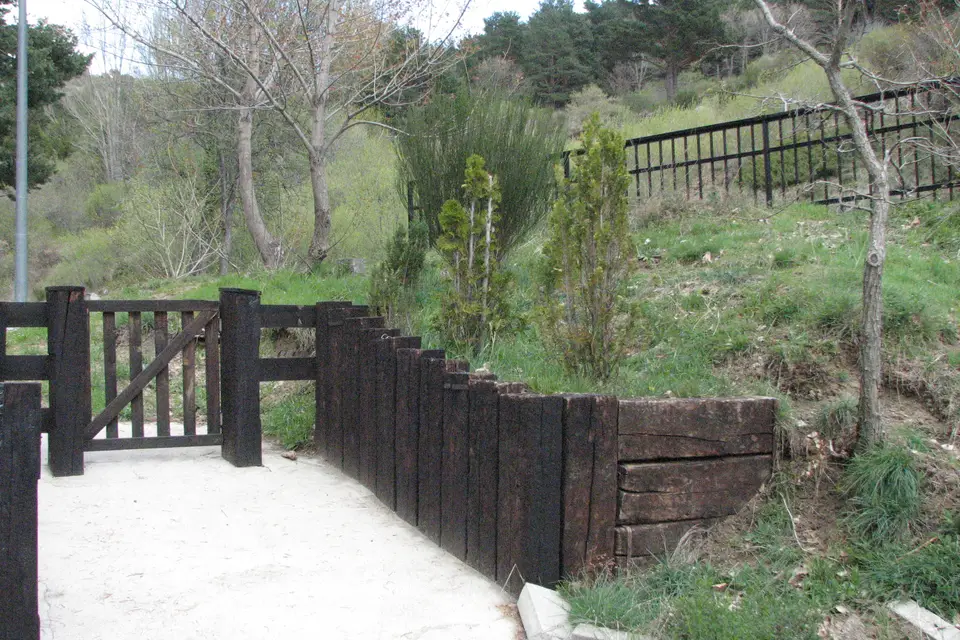
Most wood walls in San Diego County went in decades ago, built from railroad ties or treated landscape timbers. Sprinklers and soil contact keep the lowest timbers damp, rot starts at the posts and the bottom course, and termites move in. By the time a wood wall leans, the posts are usually soft below the ground.
That's why most wood wall jobs are replacements. A new timber wall still makes sense for a low bed edge or a short-term fix, built with lumber rated for ground contact and a gravel drain behind it. For a wall holding real soil, block or concrete usually lasts long enough to be worth the difference. Old treated wood counts as treated wood waste in California and has to go to a facility that accepts it.
Wood Retaining Walls across San Diego County
Based in San Diego and available in each of these areas.
Related services
Retaining Wall Replacement
Tearing out failed walls and rebuilding them on a proper base with drainage, permitted where the new wall needs it.
Block Retaining Walls
Segmental concrete block walls for garden beds, terraces and taller reinforced walls.
Retaining Wall Repair
Fixes for leaning, cracked and bulging walls, starting with why the wall moved.
Ask about wood retaining walls
Send a short message about your wall or slope and we'll call you back to set up a site visit.
- Site visit to look at the slope, soil and drainage
- Written estimate before any work starts
- Permit and engineering questions answered up front
Prefer to talk? Call (760) 539-8329
Wood Retaining Walls questions
How much does a wood retaining wall cost?
Wood usually costs the least up front of any retaining wall material, which is why it's common for low garden edges. The price depends on height, length, post spacing and the grade of ground-contact lumber. Since wood wears out sooner, the cost of replacing it later belongs in the comparison.
How long does a wood retaining wall last?
Pressure-treated wood walls often last about 15 to 25 years. Wet soil, sprinkler water and termites shorten that, and rot usually starts at the posts and the bottom course. Ground-contact rated lumber and gravel drainage behind the wall help it last toward the long end.
Are railroad ties good for retaining walls?
Old railroad ties are soaked in creosote, and many people avoid them near vegetable gardens and play areas. In California, used ties also have to be disposed of as treated wood waste. Pressure-treated landscape timbers or block are the usual alternatives.
How tall can a wood retaining wall be?
Most wood retaining walls are kept to about 3 or 4 feet, since timber has less strength and life than block or concrete. Taller walls, or ones holding a driveway or slope, generally need engineering and a permit, and the city or County confirms the limit for your address.
What is the best wood for a retaining wall?
Pressure-treated lumber rated for ground contact is the usual choice, because it resists rot and termites far better than untreated wood. Posts are set in concrete or deep in the ground, with gravel and a drain behind the boards. Untreated wood and old railroad ties are best avoided.