Retaining wall service
Retaining Wall Replacement in San Diego County
San Diego Elite Retaining Walls tears out failed retaining walls and rebuilds them, fixing the base, drainage or design problem that brought the old wall down.
What's included
- Demolition and haul-away of the old wall and footing
- Removal of the old backfill, which is often wet clay
- New base or footing, new wall and new drainage
- Engineering and permit coordination when the new wall needs it
- Serving homes across San Diego County
- Written estimate before work starts
- Drainage planned into every wall
- Permit questions answered up front
Is retaining wall replacement right for you?
Who it's for
- Walls leaning from the base or sitting on a broken footing
- Rotted timber and railroad-tie walls
- Block walls built without geogrid or drainage
Problems it solves
- A wall that's been patched more than once
- An old wall flagged in a home inspection report
- A leaning wall threatening a patio or a neighbor's yard
How it works
- Call or send a message about the wall or slope
- Site visit to check height, soil, drainage and access
- Written estimate, then the build or repair
What is retaining wall replacement?
Short answer
Retaining wall replacement means removing a wall that can't be saved and building a new one in its place. Repair keeps the existing wall and fixes part of it. Replacement starts over, including the footing or base and the drainage behind the wall.
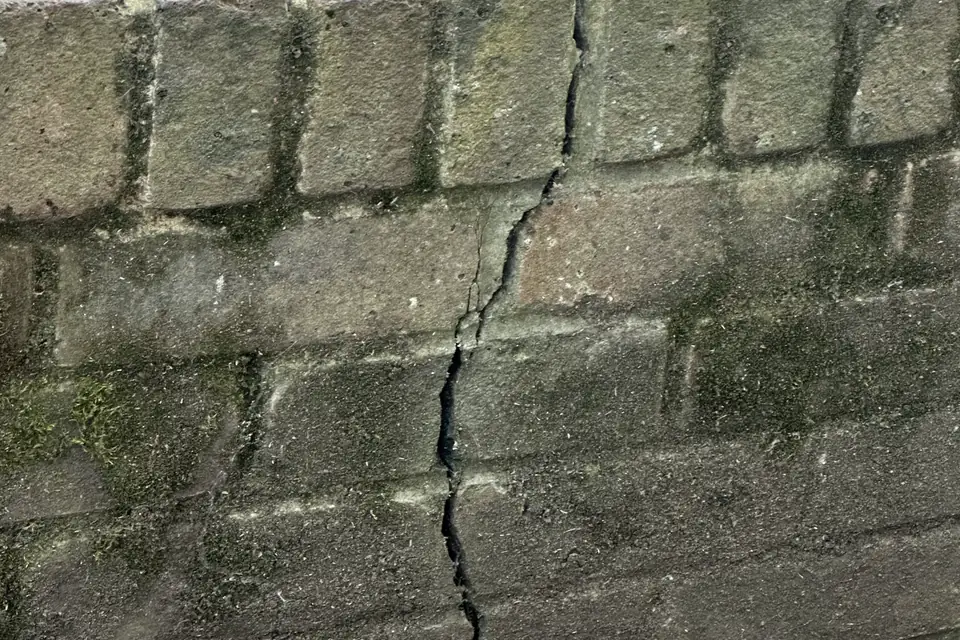
Replacement is the answer when the footing has cracked, the wall leans from the bottom, a tall block wall was built without geogrid, or the wood has rotted through. Patching walls like that rarely holds. The new wall doesn't have to copy the old one, either. A 5-foot timber wall might come back as reinforced block, or as two shorter terraced walls.
Teardown is a job of its own. While the old wall comes out, the soil behind it may need to be shored or cut back to a safe slope, and the debris has to be hauled away. If the new wall is past the local height limit or holds a surcharge, it goes through permits like any new wall, even if the old one never did.
Retaining Wall Replacement across San Diego County
Based in San Diego and available in each of these areas.
Related services
Retaining Wall Repair
Fixes for leaning, cracked and bulging walls, starting with why the wall moved.
Wood Retaining Walls
Pressure-treated timber walls for low garden edges, and replacement of old timber and railroad-tie walls.
Engineered Retaining Walls
Tall and heavily loaded walls built from a licensed engineer's stamped plans, with permits, soils reports and inspections.
Ask about retaining wall replacement
Send a short message about your wall or slope and we'll call you back to set up a site visit.
- Site visit to look at the slope, soil and drainage
- Written estimate before any work starts
- Permit and engineering questions answered up front
Prefer to talk? Call (760) 539-8329
Retaining Wall Replacement questions
How much does retaining wall replacement cost?
Replacement costs more than building the same wall new because the old wall, its footing and the wet backfill have to be torn out and hauled away first. Shoring the soil during teardown, a new permit if the wall needs one, and any change in material or height also affect the price. All of it is broken out in the estimate after a site visit.
How often does a retaining wall need to be replaced?
A well-built block, concrete or stone wall can last 50 years or more, while pressure-treated wood often lasts 15 to 25. Walls without drainage or built on a poor base can fail much sooner. Leaning from the base, a cracked footing or rotted timber are the usual signs it's time.
Should I repair or replace my retaining wall?
A wall with a sound footing and a lean near the top can often be repaired. A cracked footing, a lean from the base, rot or a bulge across a long section usually means replacement, and the site visit sorts out which one you have.
Do I need a permit to replace a retaining wall?
Replacement is treated like a new wall. If the new one is past the local height limit, about 3 or 4 feet depending on the city, or holds back a driveway, slope or building, it usually needs a permit, whether or not the old wall had one. The city or County confirms the rules for your address.
What can you do instead of a retaining wall?
On a gentle slope, regrading, planting and erosion blankets may hold the soil without a wall. Boulders set into the slope, or two or three short terraced walls instead of one tall one, are other options. A steep slope next to a house, driveway or pool usually still needs a real retaining wall.