About
About San Diego Elite Retaining Walls
San Diego Elite Retaining Walls builds and repairs retaining walls for homes across San Diego County. This page covers how a job runs with us, starting with the first look at your slope.
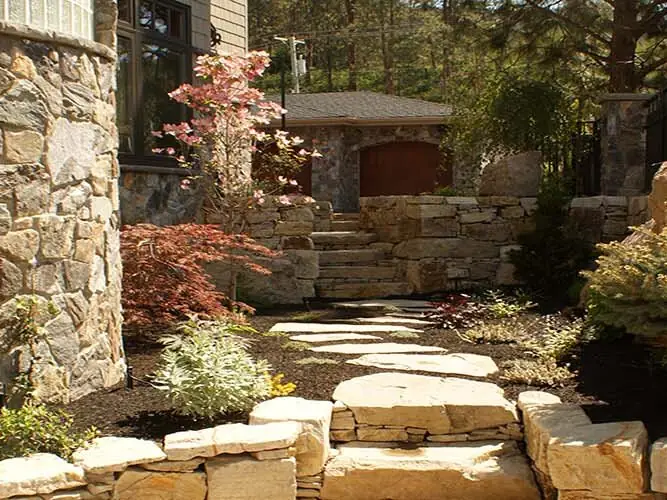
About us
Retaining walls and the water behind them
San Diego Elite Retaining Walls works on walls that hold soil back. That means new walls in block or poured concrete, sometimes natural stone, and repairs to walls that have started to lean or crack. Steps and planters that tie into a wall can usually be part of the same job.
A lot of the county sits on hillsides and canyon edges, and much of the soil is clay that swells when it gets wet. When a wall here leans or cracks, water behind it is usually the cause. So before anyone talks about block styles, we look at where water goes on your lot and where it can be sent.
Permit rules change at the city line. The height where a wall needs a permit is usually 3 or 4 feet depending on the city, and a wall holding up a driveway or a slope can need one even when it's shorter. Each city page on this site lists the local rule. If your wall needs engineered plans or a permit, we tell you at the site visit and bring in an engineer, and those costs go into the estimate.
The estimate is written and itemized. It shows the wall, the drainage behind it, any engineering or permit fees and hauling off the extra soil, so you can compare it line by line with other bids.
How a job runs
- We call back after you reach out and ask a few questions about the wall or slope
- At the site visit we measure the slope and look at the soil and where water drains
- Drainage is planned with the wall from the first sketch
- If your city requires a permit or engineered plans, you hear it before the estimate
- The written estimate puts each part of the job on its own line
- We keep you posted while the work is underway and haul off the debris when the wall is done
Not sure what your slope needs? Request an estimate.
What you can count on
A straight answer on permits
We check the rule for your address and tell you early if the wall needs a permit or an engineer. You won't learn it halfway through the job.
Drainage behind every wall
Each retaining wall we build gets a drainage plan, usually gravel backfill and a perforated pipe that carries water to a safe outlet.
A price in writing
You get the estimate on paper before work starts. If digging turns up something that changes the job, we talk it through with you before doing the extra work.
A clean site
Extra soil and broken material get hauled away when the wall is finished. We sweep the driveway and walkways before we leave.
Where we work
We work in every city in San Diego County, on the coast and inland, plus backcountry towns such as Ramona and Alpine. The Areas We Serve page lists each one.
See every area we serveQuestions about us
What areas do you serve?
Homes in every city in San Diego County, plus backcountry towns such as Ramona and Alpine. The Areas We Serve page lists each one.
Do you only build retaining walls?
Retaining walls are the focus: new walls, repairs, drainage and hillside terracing. Steps, planters and seat walls that tie into a retaining wall can usually be part of the same job.
How tall can a retaining wall be without a permit?
The California Building Code exempts walls up to 4 feet tall, measured from the bottom of the footing to the top of the wall, as long as they don't hold back a surcharge like a driveway, slope or building. In San Diego County the limit depends on the address: the state's 4 feet from the bottom of the footing in cities such as Carlsbad, Oceanside and Vista, 3 feet from the top of the footing in the City of San Diego, Chula Vista, Poway, Santee and unincorporated County areas, 2 feet in Coronado, and any height in Del Mar. Each city page on this site lists the rule for that city.
Got a slope that won't stay put?
Tell us about the wall or the hillside. We'll call you back to set up a site visit and talk through height, drainage and permits.