Retaining wall service
Concrete Retaining Walls in San Diego County
San Diego Elite Retaining Walls builds reinforced concrete walls for the jobs block can't do well: tall walls, driveways and narrow side yards.
What's included
- Engineered plans and permit coordination when required
- Excavation and a reinforced concrete footing
- Poured concrete or grouted block wall with steel reinforcement
- Waterproofing, drain rock and a footing drain behind the wall
- Serving homes across San Diego County
- Written estimate before work starts
- Drainage planned into every wall
- Permit questions answered up front
Are concrete retaining walls right for you?
Who it's for
- Walls past the local permit limit, about 3 or 4 feet
- Walls holding up a driveway, parking pad or structure
- Narrow side yards with no room behind the wall
Problems it solves
- A driveway edge cracking or settling
- A tall cut slope beside the house
- A wall that needs to match stucco or stone on the home
How it works
- Call or send a message about the wall or slope
- Site visit to check height, soil, drainage and access
- Written estimate, then the build or repair
What are concrete retaining walls?
Short answer
A concrete retaining wall is a wall of poured concrete or grout-filled concrete block, reinforced with steel bar and tied into a concrete footing. Unlike stacked block, it resists the soil with its own strength, so it can be thinner and stand straight up.
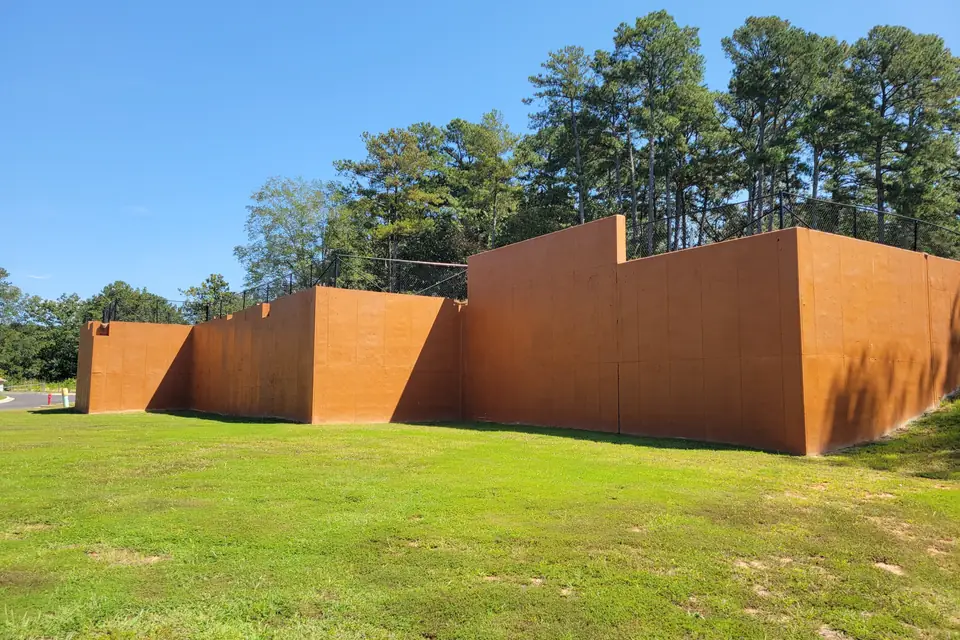
In San Diego County there are two common versions: concrete poured in place, and concrete masonry block filled with grout and rebar, often finished with stucco or stone veneer to match the house. Both need a footing sized for the wall's height and the load above it.
Because these walls don't flex, drainage matters even more. Gravel backfill, a drain at the footing and weep holes or a waterproofing layer keep water from building up pressure and staining the face.
Concrete Retaining Walls across San Diego County
Based in San Diego and available in each of these areas.
Related services
Retaining Wall Installation
New retaining walls for slopes, terraces and level yards, planned around height, soil and drainage.
Retaining Wall Repair
Fixes for leaning, cracked and bulging walls, starting with why the wall moved.
Retaining Wall Drainage
Drain rock, pipes and weep holes that keep water from pushing a wall over.
Ask about concrete retaining walls
Send a short message about your wall or slope and we'll call you back to set up a site visit.
- Site visit to look at the slope, soil and drainage
- Written estimate before any work starts
- Permit and engineering questions answered up front
Prefer to talk? Call (760) 539-8329
Concrete Retaining Walls questions
How much does a concrete retaining wall cost?
Poured or grouted concrete walls cost more per foot than stacked block at most heights, because of the forms, rebar, footing and concrete delivery. They can still be the better buy on tall walls or narrow lots, where they stand straight up and need little room behind them. Engineering, permits and the finish, such as stucco or stone veneer, add to the total.
How thick should a concrete retaining wall be?
Thickness comes from the engineer's design, based on the wall's height, the soil and the load above it. Short walls are often 8 inches thick, and taller walls get thicker stems and wider footings. Grouted concrete block walls are commonly built from 8 or 12 inch block for the same reason.
How long does a concrete retaining wall last?
A reinforced concrete wall built to plan with working drainage can last 50 years or more. Water is what shortens that life, through pressure behind the wall and rusting rebar inside it, so the drain and waterproofing matter as much as the concrete.
Can you paint a concrete retaining wall?
Concrete can be painted or stained with masonry coatings made for outdoor use. Moisture coming through from the soil side will lift paint and leave white stains, so the back of the wall should be waterproofed and drained first. Stucco and stone veneer are other ways to finish the face.
Why is my retaining wall turning white?
White crusty stains, called efflorescence, are minerals left behind when water moves through concrete or block and evaporates on the face. They mean water is getting into the wall, so the drainage and waterproofing behind it are worth checking.