Retaining wall service
Slope Stabilization in San Diego County
San Diego Elite Retaining Walls stabilizes eroding hillside yards with drainage, erosion control and planting, adding retaining walls where a wall is the right tool.
What's included
- A look at how water reaches the slope and where it leaves
- Swales, drains and downspout lines to carry water past the slope
- Erosion control blankets, mulch and planting on bare soil
- Regrading, retaining walls or terraces where the slope is too steep
- Serving homes across San Diego County
- Written estimate before work starts
- Drainage planned into every wall
- Permit questions answered up front
Is slope stabilization right for you?
Who it's for
- Hillside yards with gullies or bare, washing soil
- Slopes below a house, pool or driveway
- Lots coming back after brush clearing or a fire
Problems it solves
- Mud on the patio after every storm
- Gullies cutting down the slope
- Plants and mulch washing off the hillside
How it works
- Call or send a message about the wall or slope
- Site visit to check height, soil, drainage and access
- Written estimate, then the build or repair
What is slope stabilization?
Short answer
Slope stabilization is work that keeps soil on a hillside from washing or sliding down. On most home slopes that means controlling water first, then covering bare soil, and adding walls or terraces where the slope is too steep to hold itself.
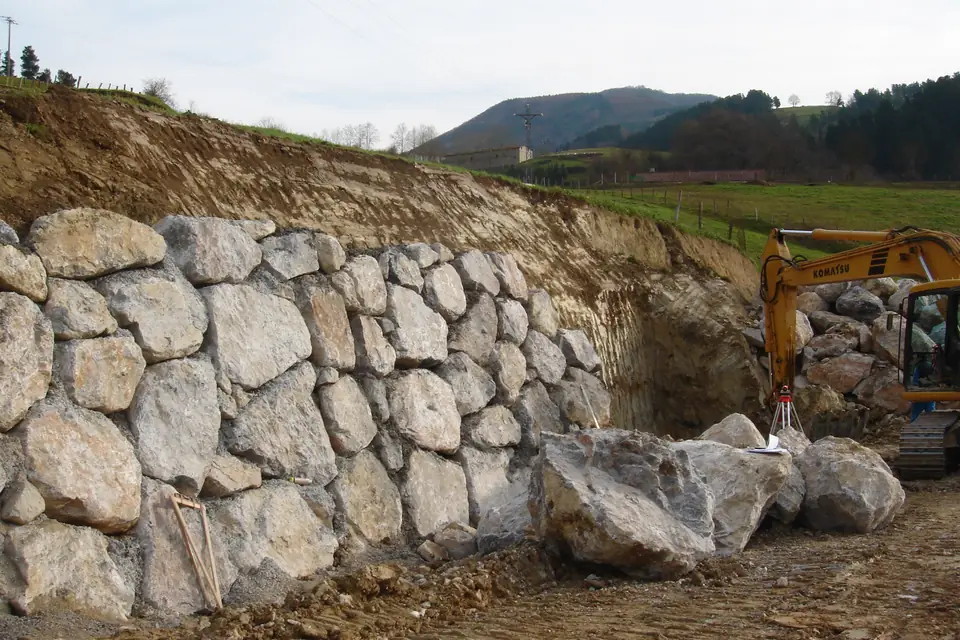
Surface erosion and a landslide are different problems. Gullies, washed-out beds and mud on the patio after rain are surface erosion, and they respond to drainage, jute or coir erosion blankets, deep-rooted plants and short walls. A slope that has cracked near the top, bulged at the bottom or dropped as a block is moving deeper down. That needs a geotechnical engineer before anyone builds on it.
Water usually starts it. Downspouts emptying at the top of a slope, overwatered ivy, a leaking irrigation line and street runoff can soak a hillside in one storm. Bare slopes after a wildfire or heavy brush clearing erode fast in the first rains. Most fixes begin by moving water around or past the slope in swales or pipe, then covering the soil so the next storm hits plants and fabric instead of dirt.
Slope Stabilization across San Diego County
Based in San Diego and available in each of these areas.
Related services
Ask about slope stabilization
Send a short message about your wall or slope and we'll call you back to set up a site visit.
- Site visit to look at the slope, soil and drainage
- Written estimate before any work starts
- Permit and engineering questions answered up front
Prefer to talk? Call (760) 539-8329
Slope Stabilization questions
How much does slope stabilization cost?
It ranges widely with the slope's size and what's causing the problem. Redirecting water and covering bare soil with blankets and plants is usually the least expensive step. Retaining walls, terraces and any work that needs a geotechnical engineer cost far more.
How do you stop hillside erosion?
Start with water: send downspouts and runoff around the slope, fix sprinkler overspray and leaking lines. Then cover bare soil with erosion blankets, mulch and deep-rooted plants. Short walls or terraces come in where the slope is too steep for that to hold.
What is the best ground cover for hillside erosion control?
Deep-rooted shrubs and groundcovers suited to the local climate usually hold a slope better than lawn grass, whose roots stay shallow. While new plants take root, jute or coir blankets and mulch protect the bare soil. Avoid heavy watering on a slope, since soaked soil is what slides.
What is a slope stability report?
It's a geotechnical engineer's study of whether a slope is likely to slide, based on test holes, soil samples and calculations. The building department may ask for one before work on or near a steep slope. It also tells the designer what a wall or repair has to resist.
Do erosion control blankets work on steep slopes?
They help a lot on bare soil while plants take root. Jute and coir blankets are staked down, hold seed and soil in place and break down over time, though they won't stop a slope that's actually sliding.