Retaining wall service
Retaining Walls for Pools and Patios in San Diego County
San Diego Elite Retaining Walls builds the walls that create level ground for pools, spas and patios on sloped lots, working alongside the pool or hardscape contractor.
What's included
- Wall layout planned with the pool or patio design
- Excavation, footing and wall built for the load above or below it
- Drainage behind the walls routed away from the pool and deck
- Seat walls, steps or raised planters tied into the same walls
- Serving homes across San Diego County
- Written estimate before work starts
- Drainage planned into every wall
- Permit questions answered up front
Are retaining walls for pools and patios right for you?
Who it's for
- Sloped backyards with no flat spot for a pool
- Patios and outdoor kitchens cut into a hillside
- Pool remodels where the old walls need replacing
Problems it solves
- A backyard too steep for a pool or patio
- Water running off the slope onto the deck
- An old wall near the pool starting to crack
How it works
- Call or send a message about the wall or slope
- Site visit to check height, soil, drainage and access
- Written estimate, then the build or repair
What are retaining walls for pools and patios?
Short answer
Pool and patio retaining walls hold back soil above a new level area or support fill below it. A pool puts a lot of weight close to the wall, so these walls are often designed together with the pool's own engineering.
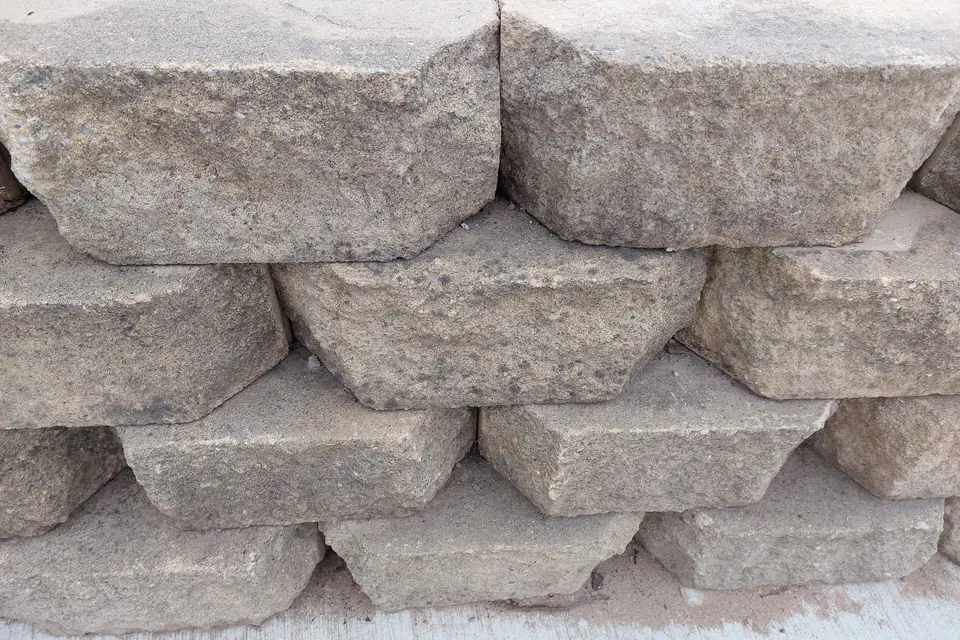
Flat ground on a slope comes from one of two moves: cut into the hill and retain the soil above, or build out and hold fill below. A cut is usually the steadier choice for a pool, since the shell sits on undisturbed ground. Building out puts the pool's weight on fill the wall has to hold, and that almost always means engineered plans.
Sequence matters on a pool job. The walls, the pool excavation and the drainage for both get planned before anyone digs, so the walls aren't undermined and the deck drains away from them. We build the walls and work with the pool builder on order of work and drainage.
Retaining Walls for Pools and Patios across San Diego County
Based in San Diego and available in each of these areas.
Related services
Seat Walls and Planter Walls
Low walls built to sit on or plant in, often tied into a patio or a retaining wall.
Engineered Retaining Walls
Tall and heavily loaded walls built from a licensed engineer's stamped plans, with permits, soils reports and inspections.
Hillside Terracing
Tiered walls that turn a steep slope into level, usable yard space.
Ask about retaining walls for pools and patios
Send a short message about your wall or slope and we'll call you back to set up a site visit.
- Site visit to look at the slope, soil and drainage
- Written estimate before any work starts
- Permit and engineering questions answered up front
Prefer to talk? Call (760) 539-8329
Retaining Walls for Pools and Patios questions
How much does a retaining wall for a pool cost?
Pool walls are priced on how much soil they hold and how close the pool sits to them. Walls that support fill under or beside a pool usually need engineering, a reinforced footing and a permit, which adds cost. Cutting into the slope above a pool is often simpler than building out below it.
Can a retaining wall hold a pool?
It can when it's designed for that load. A pool full of water is very heavy, so a wall holding fill under or beside a pool almost always needs engineered plans that agree with the pool's own engineering. Cutting the pool into undisturbed ground is often the steadier option.
How close can a pool be to a retaining wall?
There's no single distance. It depends on the wall height, the soil and whether the pool sits above or below the wall, and the engineer sets it in the plans. A pool close to the top of a wall adds surcharge, so the wall has to be designed for it.
Does a patio need a retaining wall?
A patio on a slope often does, either to hold back the hill above it or to support fill below it. On flat ground, or with a gentle grade that can be sloped away, a wall may not be needed. A short wall at the patio edge can also double as a seat wall.
Can a retaining wall be a pool fence?
It can count as part of the pool barrier in some cases. California pool safety law calls for an enclosure at least 60 inches tall, measured on the outside, that's hard to climb, so a retaining wall that's tall enough on that side, often with a fence on top, may qualify. The building inspector makes the call for your address.